
All News
46 articles in total
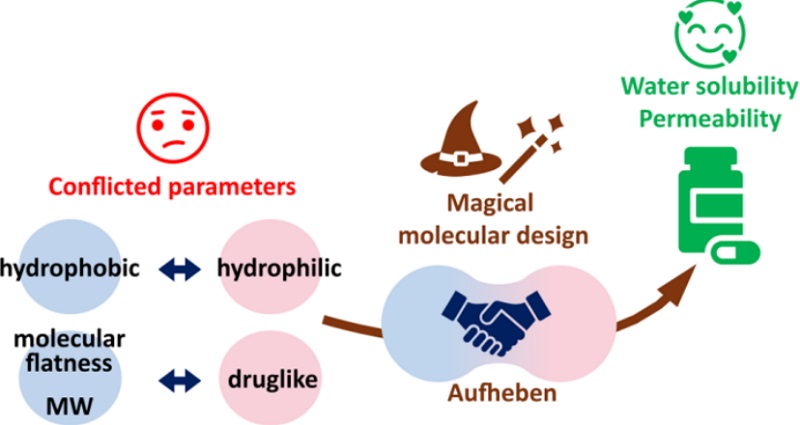
Aufheben Strategy: Resolving Conflicting Properties in Drug Design
The Aufheben strategy enables balanced drug properties by concurrently preserving active conformations and modifying conflicting characteristics. This approach systematically optimizes both small molecules (via disrupted intermolecular interactions) and bRo5 compounds (including cyclic peptides and PROTACs through conformational regulation), offering transformative solutions beyond conventional druglikeness paradigms and expanding molecular design possibilities.

ADC Cytotoxins: The Selection Logic of Precision Anti-Cancer "Warheads"
Antibody-drug conjugates (ADCs), often referred to as "biological missiles" in precision cancer treatment, rely heavily on their "warheads"—small molecule cytotoxins—to determine their tumor-killing efficacy. This article systematically analyzes the core selection criteria for ADC cytotoxins, details the mechanisms of action, structural characteristics, and clinical applications of microtubule inhibitors and DNA damaging agents (two major types), provides a comprehensive overview of the ADC pipeline's cytotoxin coverage, compares the IC50 (half-maximum inhibitory concentration) activity differences of common toxins, and highlights the current challenges of limited toxin variety and singular mechanisms of action, offering crucial insights for ADC drug development.
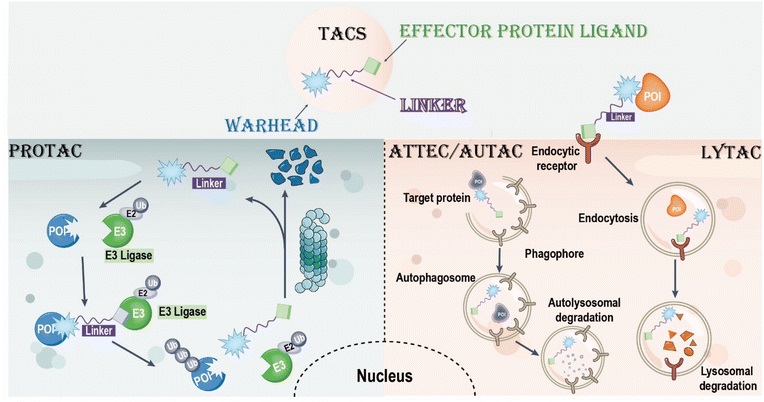
Review of the Development History of TACs Multifunctional Linkers
Targeted chimeras (TACs, such as PROTACs and LYTACs) represent a potential strategy for the selective degradation of difficult-to-drug proteins, acting through bifunctional molecules or molecular glues to provide novel therapies for diseases that are difficult to treat with traditional small molecules. As a bridge connecting target protein ligands and effector protein ligands, the linker of TACs is crucial to molecular conformation and activity. Recent advancements in photo-controlled and cleavable linker design have improved the efficiency and spatiotemporal control of TACs, but challenges remain, such as optimizing stability.
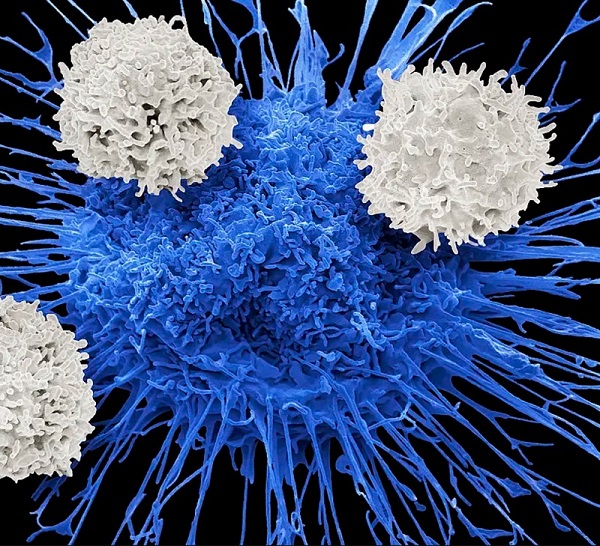
Sevabertinib: A Reversible EGFR-HER2 Inhibitor as a Game-Changer for HER2-Mutant Lung Cancer
Sevabertinib, a novel reversible HER2-EGFR inhibitor, demonstrated remarkable efficacy in the Phase I/II SOHO-01 study. The objective response rate (ORR) was 64% in pretreated patients and as high as 71% in treatment-naïve patients, with activity also observed in those with brain metastases. With its unique mechanism of action and excellent selectivity, Sevabertinib is poised to reshape the treatment landscape for HER2-mutant non-small cell lung cancer (NSCLC). The Phase III confirmatory study, SOHO-02, has now been officially initiated.
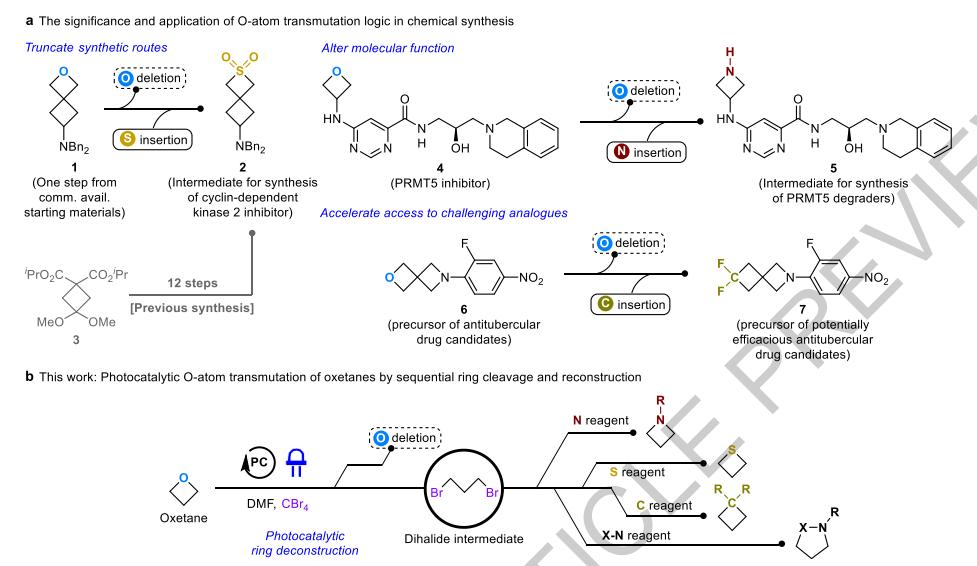
Nature: Photocatalysis Replaces 8-12 Steps with One in Oxetane Editing
Photocatalytic oxetane editing enables selective O-atom replacement with N, S, or C groups in one step. This versatile method simplifies drug synthesis, supports late-stage functionalization, and exhibits broad functional group tolerance, streamlining access to valuable saturated cyclic scaffolds.

First-Ever! FDA Approves New Drug Paltusotine for Rare Disease
This new non-peptide somatostatin receptor 2 (SST2) agonist has become the first FDA-approved once-daily oral treatment for acromegaly, providing patients with a convenient and effective new treatment option.