
All News
46 articles in total

Why a "Systems" View Matters in Anti-Aging
At PHMO, we believe discussions on slowing aging often highlight single molecules. Biology, however, reveals a more complex picture: aging is a systemic, multidimensional process. It's not a single failure but a loss of coordination across interconnected cellular networks.
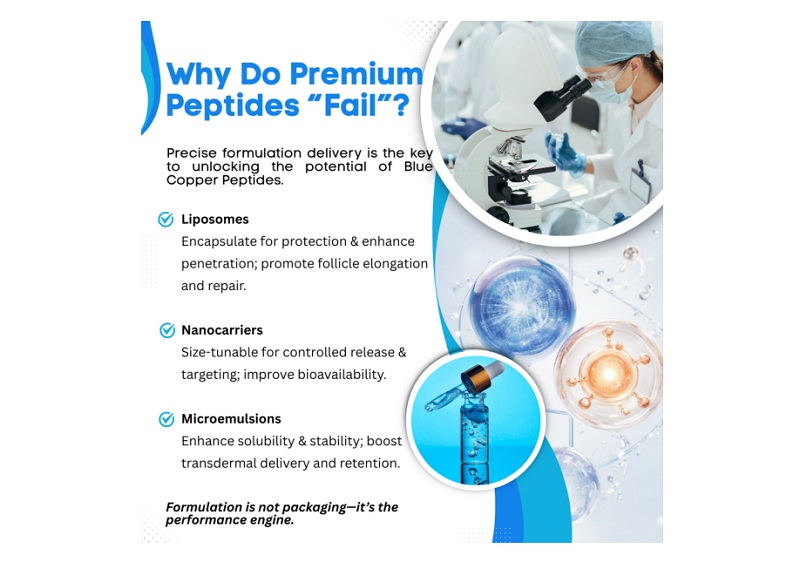
Why Peptides Often“Fail”? Delivery Formulation is Key
Even the most potent signaling molecule fails if it cannot reach its target. As the industry's leading expert in precise peptide delivery, PHMO systematically breaks down how to build a direct “formulation bridge” to the hair follicle for star ingredients like Blue Copper Peptides (e.g., AHK-Cu / GHK-Cu).
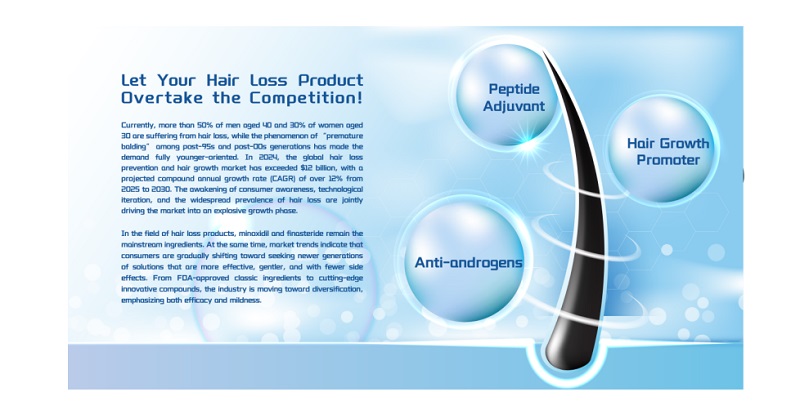
Beyond the "Miracle Ingredient": A Modular Formulation Strategy for Hair Loss
When tackling hair loss formulation, a systematic approach consistently outperforms the search for a single “miracle ingredient.” As a formulator focused on synergy, working on active ingredient and delivery system development at PHMO, I believe effective products are built on functional modules, not isolated actives. Here’s a practical two-module framework: “Nutrient Supply + Antioxidant Defense” and “Anti-DHT + Anti-Fibrosis.”
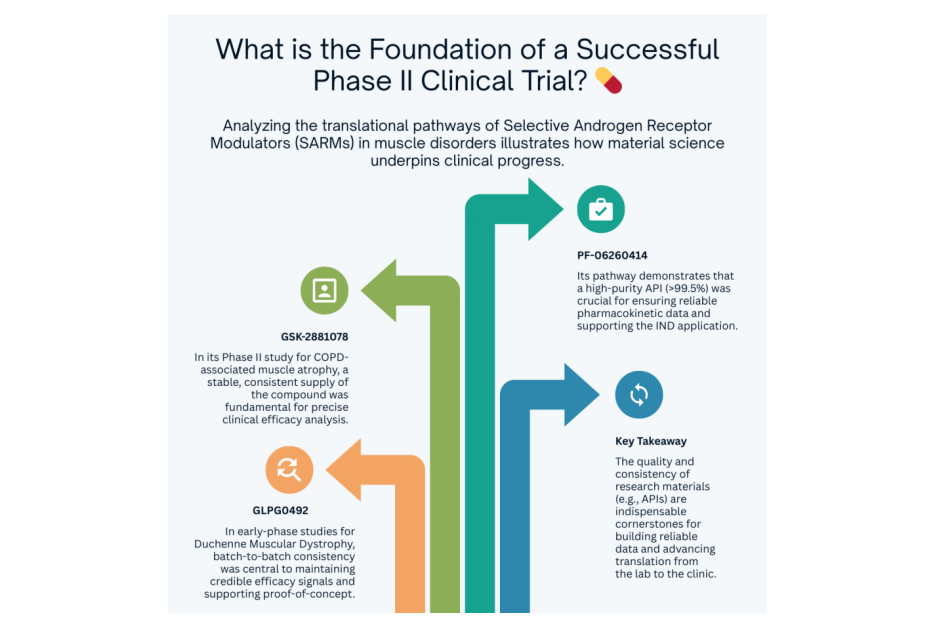
What is the foundation of a successful Phase II clinical trial?
In drug development, Phase II is the critical bridge that validates concepts and assesses efficacy. Its success is never accidental; it is deeply rooted in a rigorous data chain from preclinical stages through Phase I, and fundamentally dependent on high-purity, highly consistent research materials — an area where partners like PHMO specialize in supporting translational and early clinical research.
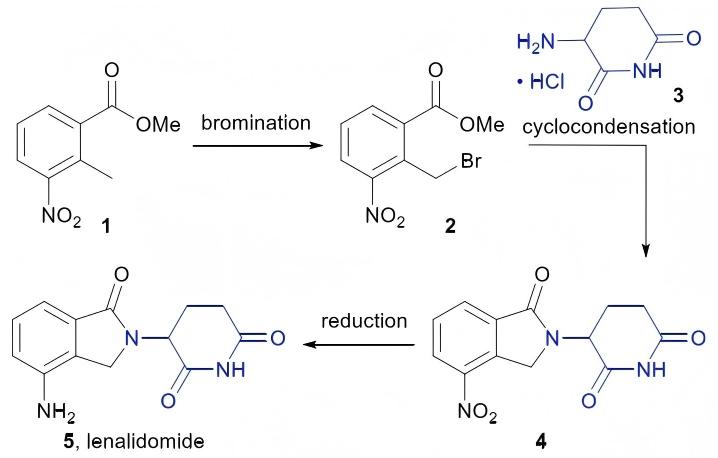
Sustainable Innovation in Pharma: Green Synthesis Process for Lenalidomide API
A major breakthrough has recently been achieved in the research of green synthesis process improvement for lenalidomide active pharmaceutical ingredient. This process perfectly integrates environmental friendliness and production efficiency, effectively solving the environmental problems and cost pain points in traditional production routes, and providing an important practical example for the green transformation of the pharmaceutical industry. The relevant research results have been published in "Org. Process Res. Dev."

Featured SARMs Series: Molecular Optimization and Pharmacokinetic Enhancement
In the field of SARMs research, molecular structure optimization is a key pathway to enhancing compound performance and applicability. RAD150 (an esterified variant of RAD140) and ACP-105 represent two classes of structurally modified featured compounds. The former improves pharmacokinetic properties through an esterification strategy, while the latter stands out for its high selectivity in muscle and prostate safety studies. PHMO is committed to providing these scientifically optimized research tools to help researchers conduct more precise mechanistic exploration and model development.